

Classic cars have a charm that modern vehicles often can’t replicate. There’s something about their sleek designs, powerful engines, and rich history that draws enthusiasts in. While the market for new cars is constantly shifting with trends and technology, classic cars seem to stand the test of time.
Alex Manos, the founder of Beverly Hills Car Club, mentioned that they aren’t just transportation; they’re pieces of art that hold sentimental value. In today’s fast-paced world, where everything feels disposable, these vintage beauties remind us of craftsmanship and passion from an era gone by. But what really sets them apart? Let’s find out.
Timeless Craftsmanship and Materials
 Timeless craftsmanship is at the heart of every classic car. Builders poured their souls into these machines, often handcrafting parts from high-quality materials that are hard to find today. Steel bodies, real wood accents, and leather interiors define an era where practicality met artistry. Unlike many modern cars that rely heavily on plastic and mass production techniques, classic vehicles boast solid construction.
They were built to last rather than for quick profit margins. Each model tells a story through its design choices, reflecting the values of its time. This meticulous attention to detail enhances aesthetics and also the durability.
Nostalgia Fueling Higher Resale Prices
Nostalgia plays a significant role in the classic car market. Many buyers are not just looking for a vehicle; they’re searching for memories and emotions tied to specific eras. For enthusiasts, it’s about reliving their youth or connecting with family heritage. A vintage Mustang might remind someone of evenings spent cruising with friends. Another great example that could evoke memories of summer road trips is the 1960s Volkswagen Beetle. This emotional attachment often translates into higher resale prices. When people reminisce about the past, they become willing to pay premium amounts for cars that symbolize their cherished moments.
Pop Culture and Nostalgia Effects
Classic cars often find their way into the heart of pop culture. Movies, music, and television shows frequently showcase these timeless vehicles. Think about iconic films like “American Graffiti” or “Back to the Future.” These rides become symbols of a bygone era. Nostalgia plays a powerful role too. Many enthusiasts cherish memories associated with classic cars from their childhood or family road trips. This emotional connection drives demand in the marketplace. Moreover, car clubs and gatherings celebrate this love for vintage models. They create an atmosphere where stories are shared and experiences relived. As social media thrives on visual content, classic cars gain more visibility than ever before.
Appreciation Trends Over the Years
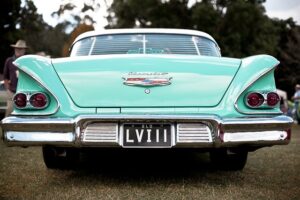 Classic cars have shown remarkable appreciation trends over the decades. While modern vehicles often depreciate quickly, vintage models tend to gain value as time goes by. The 1980s and 1990s saw a surge in interest in muscle cars and iconic designs from earlier eras. Collectors began snapping up these pieces of automotive history, driving prices upward. In recent years, the rise of online marketplaces has made it easier for enthusiasts to buy and sell classic cars.
This accessibility has attracted new buyers who appreciate craftsmanship and nostalgia. Models previously overlooked are now gaining traction among collectors. Rare finds or well-preserved examples can command astonishing sums at auctions. Classic cars have a unique appeal that sets them apart from modern vehicles. Investing in a classic car is not just about owning a vehicle—it’s about embracing history and connecting with generations before us. For enthusiasts looking for something timeless, classic cars offer both emotional satisfaction and potential financial returns.